Unpermitted work is everywhere in Florida — an enclosed porch that became a bedroom, a garage converted to living space, an added bathroom no one ever pulled a permit for. It often only surfaces when you go to sell, renovate, or refinance, and then it becomes a real obstacle.
The reassuring part is that most unpermitted work can be legalized through a process called after-the-fact permitting. It takes some effort and the work has to actually meet code, but it's a well-worn path. Here's how it works. If you've inherited someone else's unpermitted project, [we can assess it and handle the legalization](/contact).
What counts as unpermitted work?
Any construction that legally required a permit but never got one. The most common culprits are changes that alter the structure, add living space, or touch electrical, plumbing, or mechanical systems.
- Room additions and enclosed patios or porches.
- Garage conversions into living space.
- Added or relocated bathrooms and kitchens.
- Electrical, plumbing, or A/C changes done without a permit.
- Structural changes like removed walls or new openings.

Why it matters even if it "works fine"
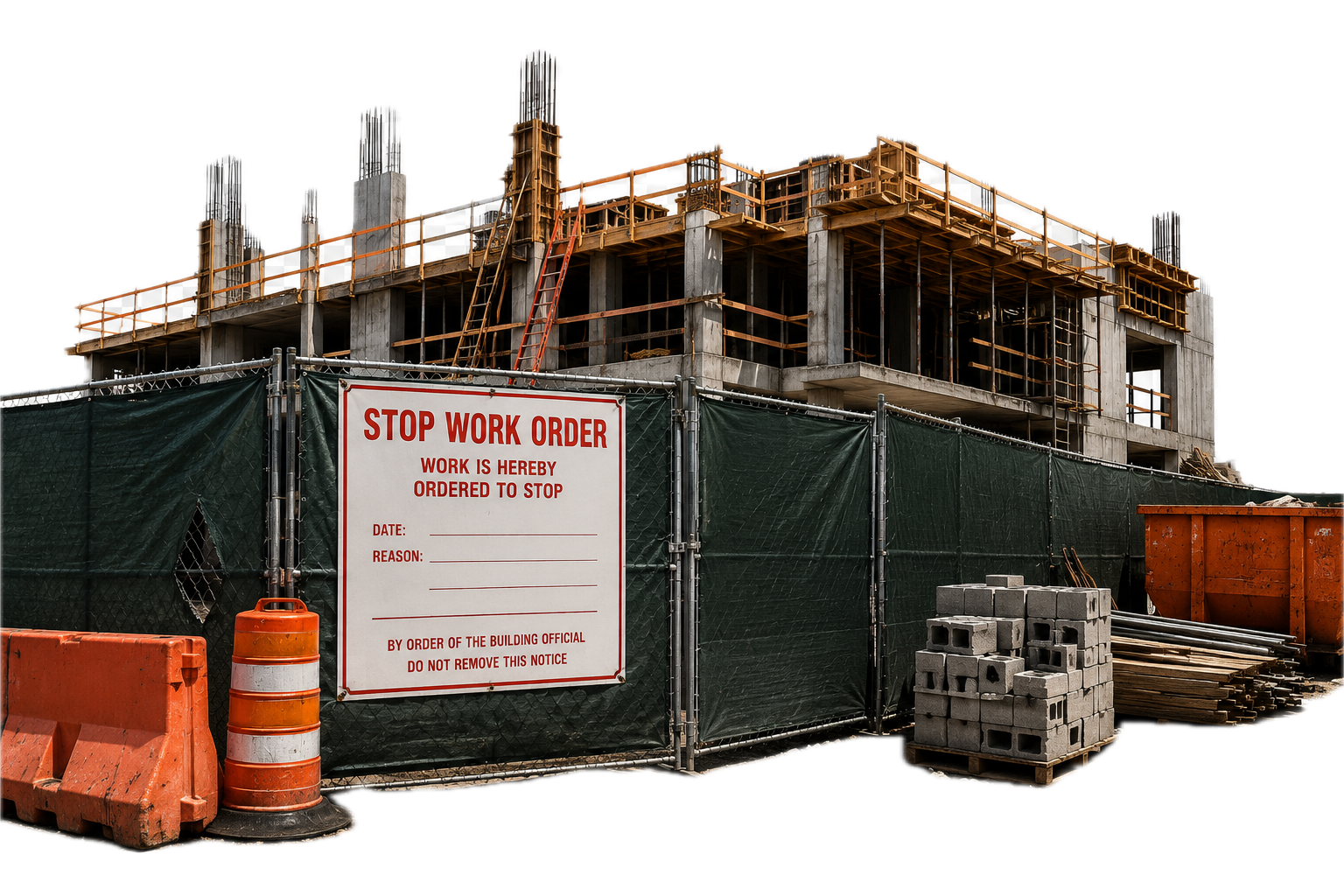
Unpermitted work can look and function perfectly and still cause problems. It can void insurance claims, block a sale, complicate refinancing, and trigger code enforcement. And because the obligation attaches to the property, it's the current owner who has to answer for it — not whoever originally built it.
Step 1 — Document what exists (as-builts)
To legalize the work, the building department needs to know exactly what was built. That usually means preparing as-built drawings — plans that document the existing construction. For anything structural, a licensed engineer or architect may need to be involved to certify that what's there is sound.
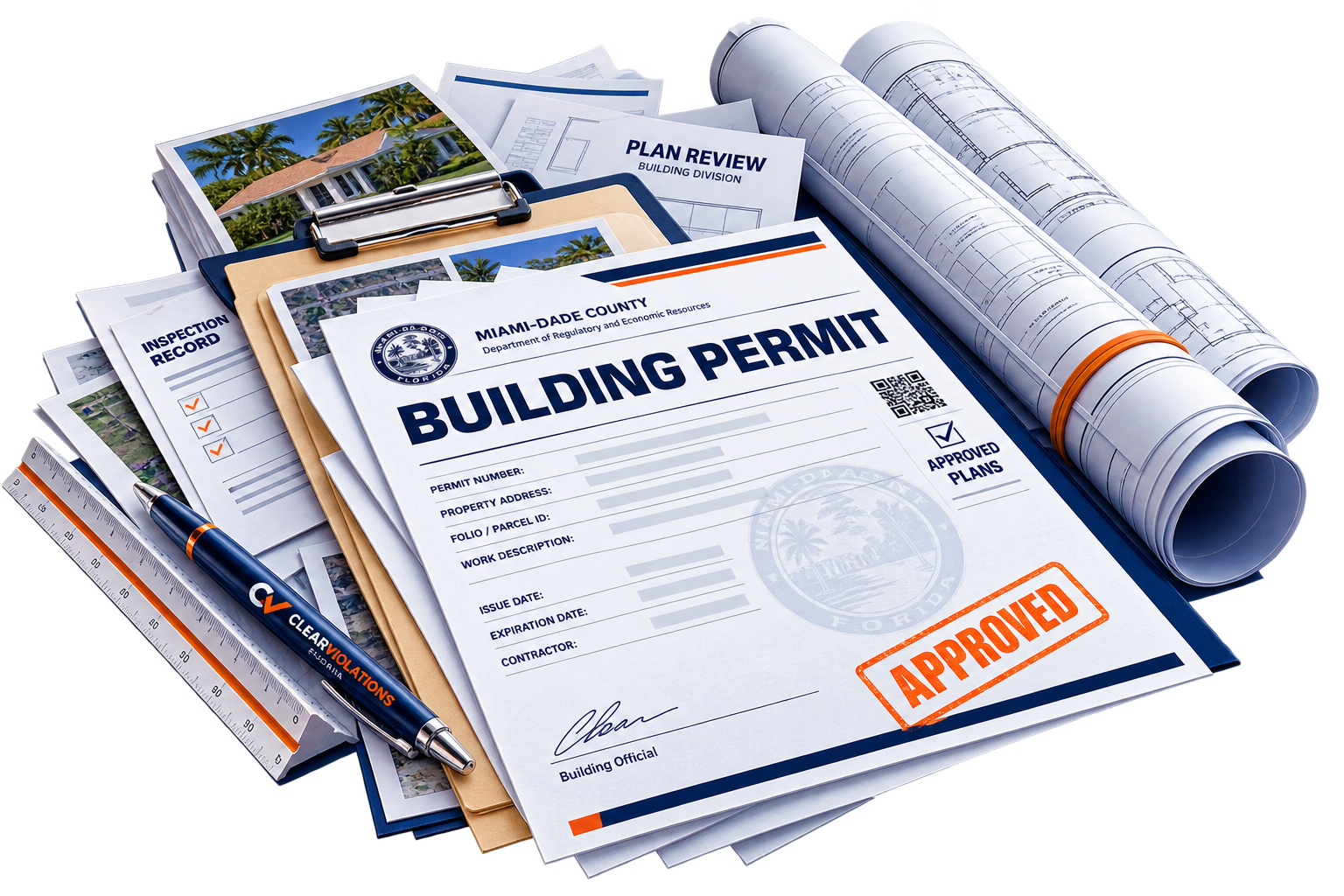
Step 2 — Apply for an after-the-fact permit
An after-the-fact permit is a regular permit applied for after the work is already done. Expect the fees to be higher than a standard permit — many jurisdictions add a penalty multiplier specifically because the work was done without authorization. That premium is normal and part of the process.
Step 3 — Inspection and bringing it up to code
This is the decisive step. The building department inspects the work against current code, and because much of it is already closed up, inspectors often need to see what's behind the finishes.
- Sections of wall or ceiling may need to be opened for inspection.
- The work must meet current code, not the code from when it was built.
- Deficiencies have to be corrected and re-inspected.
- Anything that can't be made compliant may need to be modified or removed.
Step 4 — Final approval
Once the work passes inspection, the building department closes the permit and issues a final approval — a Certificate of Completion, or a Certificate of Occupancy where new living space is involved. At that point the work is officially legal and on the record, which is exactly what future buyers, lenders, and insurers want to see.
Conclusion
Legalizing unpermitted work isn't glamorous, but it removes a cloud that follows the property through every sale, refinance, and insurance claim. Document what's there, apply for the after-the-fact permit, and be ready to prove the work meets code. Handle it proactively and you control the timeline and cost; wait for a violation and you don't. If you'd like an honest assessment and a team to run the process, [contact us](/contact).